Between the salt-lake tourism push, station upgrades on the Phulera–Degana line and its place on the west-belt corridor, Sambhar attracts steady buyer interest. It also has quirks a first-time buyer must respect.
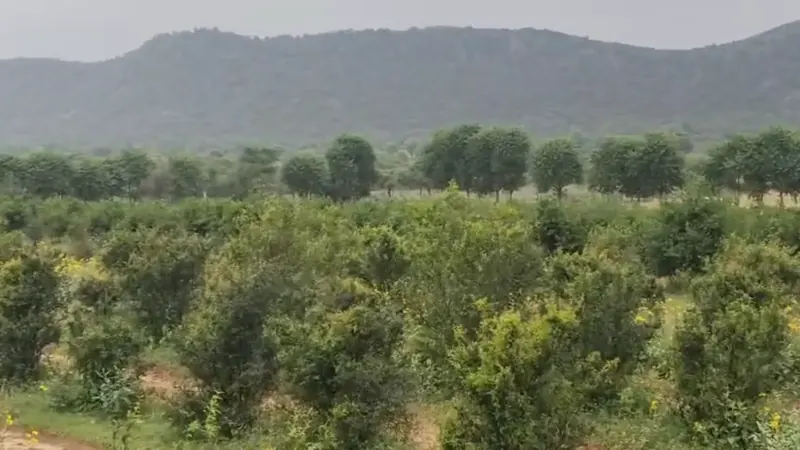
The Sambhar story in one paragraph
Sambhar hosts India’s largest inland salt lake, a heritage salt-rail ecosystem, and reported plans for salt-train experiences, a salt museum and bird-season tourism. Rail works — a foot-over-bridge at Sambhar Lake station and signalling modernisation nearby — have featured in 2026 updates. Tourism and rail activity together keep the town on the map.
The caution: salinity and land type
Land close to the lake can be salt-affected — fine for some uses, hostile to many crops. Read the Jamabandi’s land-type entry (बारानी / चाही / बंजड़) and, for farming plans, test soil and water salinity before committing. Wetland/catchment areas can also carry use restrictions — verify locally at the Tehsil.
Due-diligence, Sambhar edition
- Fresh Jamabandi + Bhu-Naksha match — as everywhere.
- Land-type and salinity check for any cultivation plan.
- Ask specifically about catchment/wetland restrictions near the lake.
- Confirm access roads exist on record, not just on the ground.
Update, 26 September 2026
Sambhar Lake remains on India’s list of Ramsar sites, designated 23 March 1990 (MoEFCC Ramsar list, as on 21 Apr 2026). A draft wetland notification proposes a wetland area and a wider zone of influence across Nawa, Roopangarh and Sambhar tehsils (draft notification, 19 Dec 2023); we found no final notification. More: Jaipur district’s western belt in 2026.
Agricultural land for sale in Sambhar — live
The listings on AgriZameen for this area right now, read from the site each time the page opens. Every listing is declared by its seller; the record is for you to check.
Every listing of agricultural land on sale is on the listings page.
See all agricultural land for sale →FAQ · अक्सर पूछे सवाल
Is land near Sambhar Lake good for farming?
It depends on salinity and water. Some belts farm well; land close to the lake may be salt-affected. Test soil and water before buying for cultivation.
What is driving interest in Sambhar?
Tourism plans around the lake, rail upgrades on the Phulera–Degana section, and the wider west-belt corridor story.
Can I verify a Sambhar parcel online?
Yes — Jamabandi on Apna Khata and the khasra map on Bhu-Naksha, free. Final verification is always physical + Tehsil.